Le plus parmi
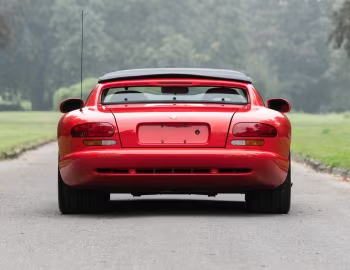
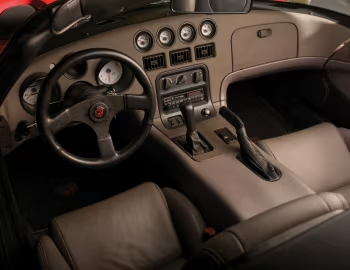
1992–95 Dodge Viper RT/10
accélération

4,8 сек до 100 км/ч
4,6 сек до 60 миль/ч
Dodge Viper RT/10 Indy 500 Pace Car '1991
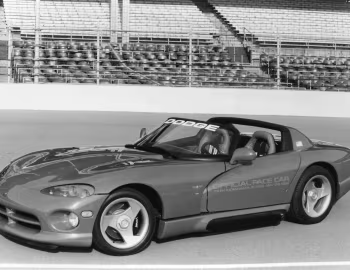
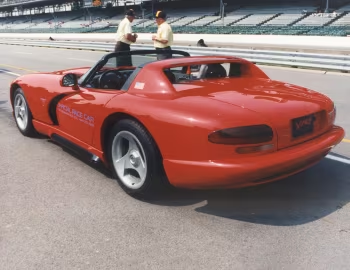

Изначально планировалось, что пэйс-каром для Indy 500 1991 года станет новенький Dodge Stealth, пока организаторы не выяснили, что Stealth собирается вместе со своим "братом" Mitsubishi 3000GT. Чтобы избежать скандалов на патриотической почве - мол, "как же так, иностранная машина - пэйс-кар?", руководство Dodge решило предоставить на гонки предсерийный прототип своего новейшего масл-кара, Viper. Несмотря на то, что в шоу-румы Viper планировали выставить в 1992 году, Dodge быстро привел в порядок предсерийный образец Viper, чтобы право сделать пэйс-кар не отдали другим. С 10-цилиндровым 8-литровым двигателем у Viper было более чем достаточно мощности, чтобы справиться с обязанностями пэйс-кара. Stealth всё же использовали, но в качестве парадной машины. Да и после гонок победитель обошелся без Viper - ему дали лишь Stealth.
4,8 сек до 100 км/ч
1992 Dodge Viper RT/10
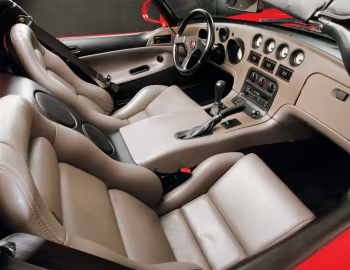
Key facts for 1992MY
- Exterior color of the RT/10 was limited to Viper Red.
- The only year with Vinyl soft top.
4,8 сек до 100 км/ч
4,6 сек до 60 миль/ч
1992 Dodge Viper RT/10
Key facts for 1992MY
- Exterior color of the RT/10 was limited to Viper Red.
- The only year with Vinyl soft top.
4,8 сек до 100 км/ч
4,6 сек до 60 миль/ч
1992–95 Dodge Viper RT/10
4,8 сек до 100 км/ч
4,6 сек до 60 миль/ч
1996 Dodge Viper RT/10 (SR II)
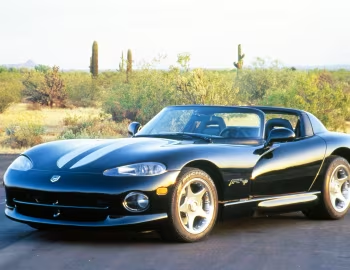
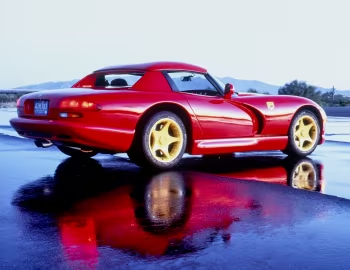

For the first year of production the second generation Dodge Viper RT/10 was available in three different exterior design themes: red with silver or yellow (optional) wheels, black with silver stripes and silver wheels, white with blue stripes and white wheels. A total of 721 cars were produced in 1996MY (686 units for U.S. market, 30 units for Canadian market and 5 units for other markets). This was the lowest number since 1992, when just 285 cars were built.
Key facts for 1996MY:
- The only year with "sabre-tipped" stripes for the second generation RT/10.
- The only year when white color was available for the RT/10 during first and second generations.
- Color information (estimated): 324 cars in white, 231 cars in black, 166 cars in red.
4,6 сек до 100 км/ч
1999 Dodge Viper RT/10 (SR II)
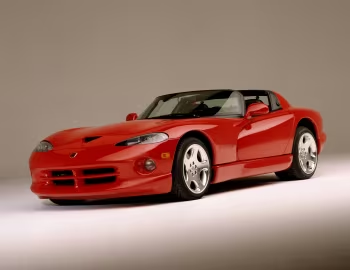

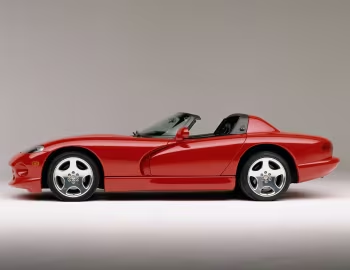
The 1999 Viper RT/10 came with new 18" five-spoke aluminum polished wheels with Viper logo center caps (formerly 17’’) and Michelin Pilot Sport tires, power mirrors, redesigned shifter knob and door handles. Besides the standard black leather interior an optional Connolly leather in Cognac was available. All thease updates were identical to '99 Viper GTS. The black color returned and Viper RT/10 again offered in three exterior colors. A total of 549 roadsters were produced in 1999MY (498 units for U.S. and 51 units for Canadian market).
Key facts for 1999MY:
- The second and last year Viper Bright Silver was available for the RT/10.
- Color information (estimated): 212 cars in silver, 208 cars in black, 129 cars in red.
4,6 сек до 100 км/ч
WheelsAge.org '2005–prés.